

What Are Lithium-Ion Batteries?
Lithium-ion batteries are a type of rechargeable battery that has revolutionised modern technology. Known for their high energy density, long life span, and relatively low self-discharge rate, these batteries are integral to many of our daily activities and industries. They are characterised by their ability to store a significant amount of energy in a compact form, making them ideal for a wide range of applications.
Fire Risks Associated with Lithium-Ion Batteries
Despite their many advantages, lithium-ion batteries pose certain fire risks that must be carefully managed. Understanding these risks is crucial for ensuring safe usage and handling:
- Thermal Runaway: Thermal runaway is a self-accelerating and exothermic reaction that occurs when a battery’s temperature rises uncontrollably. This can be triggered by overcharging, physical damage, manufacturing defects, or exposure to high temperatures. Once initiated, thermal runaway can lead to the release of flammable gases, intense heat, and potentially cause the battery to catch fire or explode.
- Internal Short Circuits: Internal short circuits can occur due to manufacturing defects, physical damage, or degradation over time. When the internal insulation between the battery’s electrodes fails, it can create a short circuit, leading to rapid heating and potentially a fire.
- Overcharging: Overcharging a lithium-ion battery can cause excessive heat buildup, increasing the risk of thermal runaway. Modern batteries are equipped with protection circuits to prevent overcharging, but failures in these systems can still occur, leading to dangerous conditions.
- Physical Damage: Physical damage, such as punctures or crushing, can compromise the battery’s internal structure, leading to short circuits and thermal runaway. This is why it’s important to handle batteries carefully and avoid dropping or mishandling them.
- High Temperatures: Exposing lithium-ion batteries to high temperatures can accelerate chemical reactions inside the battery, increasing the risk of thermal runaway. It is important to keep batteries within their recommended temperature ranges to prevent overheating.

Common Uses of Lithium-Ion Batteries
Lithium-ion batteries power a multitude of devices and technologies due to their versatility and efficiency:
- Consumer Electronics: Lithium-ion batteries are the backbone of portable electronic devices. Smartphones, tablets, laptops, cameras, and wearable technology rely on these batteries for their compact size, lightweight, and high energy output. This allows for longer usage times and improved portability, enhancing our daily digital experiences.
- Electric Vehicles (EV): The automotive industry has embraced lithium-ion technology for its capability to store large amounts of energy, driving the development and growth of electric and hybrid vehicles. These batteries provide the necessary power for longer driving ranges and faster acceleration, making electric vehicles a viable and eco-friendly alternative to traditional internal combustion engine cars.
- Renewable Energy Storage: Lithium-ion batteries play a critical role in renewable energy systems. Solar and wind energy systems often use these batteries to store energy, ensuring a stable and reliable power supply even when the sun isn’t shining or the wind isn’t blowing. This storage capability is essential for integrating renewable energy sources into the grid and reducing reliance on fossil fuels.
- Medical Devices: Reliability and longevity are crucial in medical devices, and lithium-ion batteries deliver on both fronts. Portable medical equipment, such as defibrillators, ventilators, and infusion pumps, often use lithium-ion batteries to ensure consistent and reliable operation, which is vital for patient care.
- Consumer Electronics: Cordless power tools benefit from the high power output and lightweight nature of lithium-ion batteries. Tools such as drills, saws, and leaf blowers rely on these batteries for their portability and extended run times, making them indispensable for both professional contractors and DIY enthusiasts.
The Fire Triangle and Lithium-Ion Battery Fires
Understanding the fire triangle is essential to effectively combatting and preventing fires. The fire triangle consists of three elements: heat, fuel, and oxygen. For a fire to ignite and sustain itself, all three elements must be present. When it comes to lithium-ion battery fires:
- Heat: Lithium-ion batteries can generate significant amounts of heat, especially during thermal runaway or overcharging.
- Fuel: The electrolyte and other materials within the battery act as fuel for the fire.
- Oxygen: Oxygen from the air or released during the thermal runaway process can feed the fire.
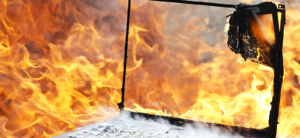
Bryland Fire Protection: Your Partner in Lithium-Ion Battery Safety
At Bryland Fire, we understand the critical importance of safety when it comes to lithium-ion batteries. As a distributor of Firechief® Global, we offer a range of specialised products designed to mitigate the risks associated with these powerful energy sources by addressing the elements of the fire triangle.
Lithium-Ion Battery Extinguishers
Our lithium-ion battery extinguishers are specifically formulated to combat fires involving lithium-ion batteries. These extinguishers are designed to address the unique challenges posed by lithium-ion battery fires, providing effective suppression and cooling to prevent re-ignition.
- Quick Response: Lithium-ion battery extinguishers are designed for rapid deployment, providing immediate intervention in the event of a battery fire. This quick response capability is crucial for minimising damage and ensuring safety.
- Efficient Extinguishing: The specialised extinguishing agents target the specific chemistry of lithium-ion fires, offering superior fire extinguishing and cooling capabilities. By removing heat and creating a barrier to prevent oxygen from fuelling the fire, these extinguishers effectively disrupt the fire triangle.
- Easy to Use: User-friendly designs ensure that anyone can operate our extinguishers effectively, providing peace of mind in both residential and commercial settings. Proper training and clear instructions make these extinguishers accessible to all users.
Safety Products and Solutions
In addition to extinguishers, we offer a variety of safety products and solutions to enhance lithium-ion battery safety:
- Battery Storage Cabinets: Our robust storage cabinets protect your batteries from physical damage and high temperatures. These cabinets are designed to contain potential fires and prevent the spread of flames, providing an added layer of safety by controlling the heat and fuel aspects of the fire triangle.
- Fire Blankets: Fire blankets provide an effective way to smother fires by cutting off the oxygen supply. They are an essential safety tool for quickly addressing small fires before they escalate.
- Compression Kits: Our compression kits are designed to safely contain and manage the risks associated with damaged or malfunctioning lithium-ion batteries, preventing them from igniting. These kits are essential for environments where battery handling and transportation are common.
- Resistant Containers: Fire-resistant containers offer secure storage for lithium-ion batteries, reducing the risk of fire by containing potential ignition sources and limiting the spread of flames. These containers are ideal for safely storing and transporting batteries.
Lithium-ion batteries are indispensable in today’s technology-driven world, but they come with inherent fire risks that must be managed responsibly. Bryland Fire Protection are committed to providing the highest quality safety solutions to protect you, your property, and your devices from lithium-ion battery fires. Explore our range of extinguishers, fire blankets, compression kits, resistant containers and other safety products today to ensure you are prepared for any eventuality. For more information on our lithium-ion battery safety solutions, contact us.


